

Pet owners—especially dog owners—often reinforce unwanted behavior accidentally, simply by responding in very human ways. Dogs learn through association and timing, not intent. Here are some of the most common (and sneaky) examples 👇
Common Ways Owners Reinforce Negative Behavior (Without Realizing It)
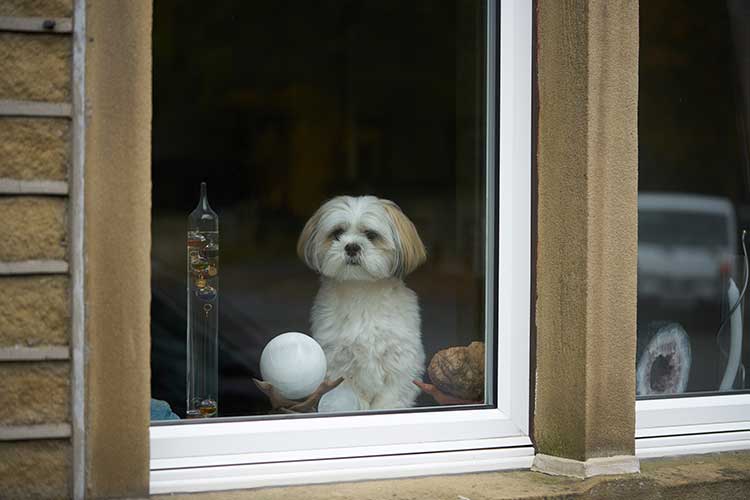

1. Comforting a dog when it’s anxious or fearful
What the owner thinks:
“I’m calming my dog down.”
What the dog learns:
“Being scared gets me attention and reassurance.”
- Example: Dog shakes during thunderstorms → owner pets and soothes immediately
- Result: Fear behavior is rewarded, making anxiety more likely next time
👉 Better approach: Stay calm and neutral; reward calm behavior, not fear
2. Giving attention to stop barking
What the owner thinks:
“I’ll tell them to stop.”
What the dog learns:
“Barking works—it gets a response.”
- Yelling, eye contact, or even saying “no” counts as attention
- Dogs don’t interpret scolding the way humans do
👉 Better approach: Ignore barking when safe; reward silence
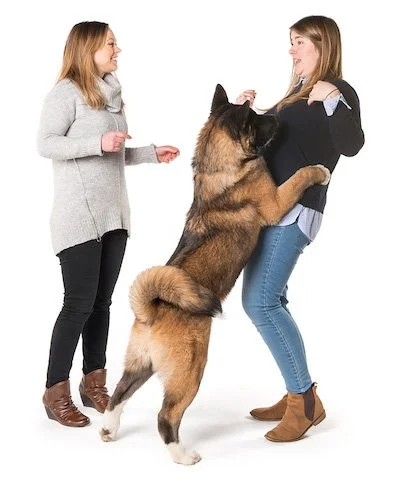
3. Letting dogs jump on people
What the owner thinks:
“They’re just excited.”
What the dog learns:
“Jumping is how I greet humans.”
- Petting or laughing while the dog jumps reinforces it
- Inconsistency (“sometimes it’s OK”) makes it worse
👉 Better approach: Only give attention when all four paws are on the floor
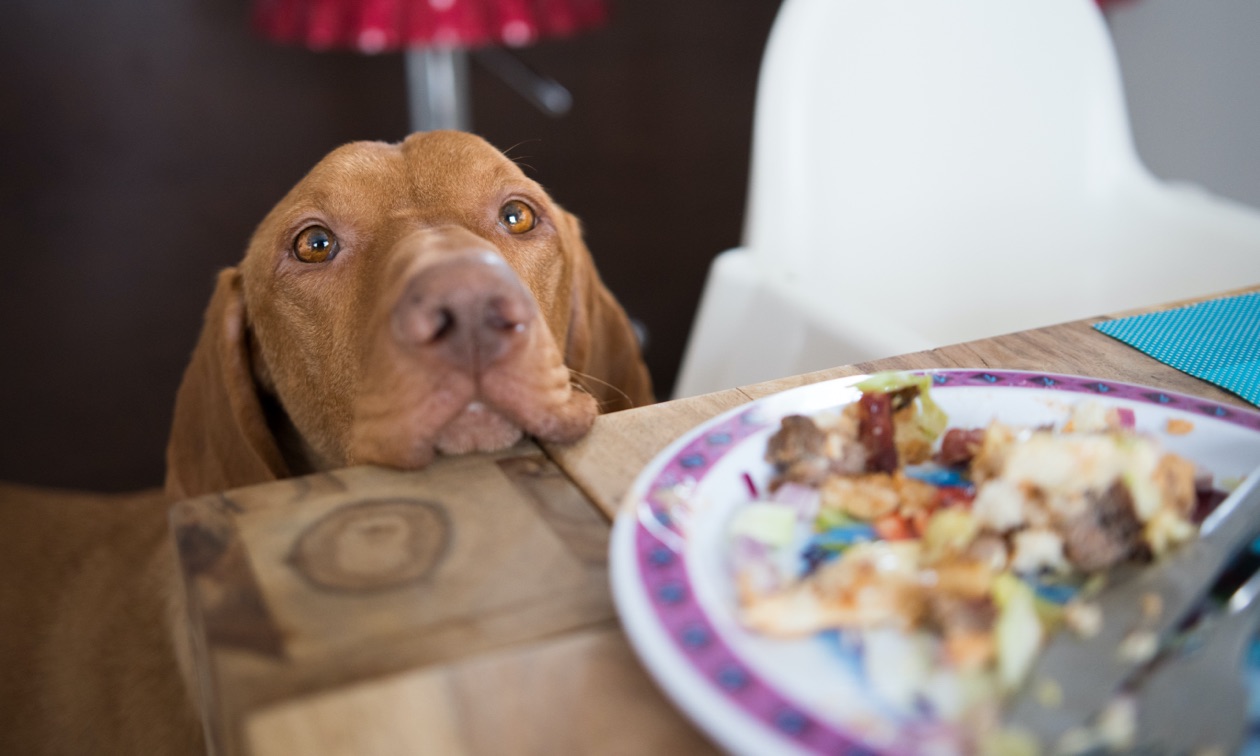
4. Giving treats to stop whining or begging
What the owner thinks:
“I’ll just give them a little to quiet them.”
What the dog learns:
“Whining = food.”
- This is classic operant conditioning
- Dogs quickly escalate the behavior
👉 Better approach: Ignore begging completely; reward calm waiting away from food
5. Picking up or carrying small dogs when they misbehave
What the owner thinks:
“I’m protecting them.”
What the dog learns:
“Growling/snapping leads to safety and escape.”
- Common with leash reactivity or fear aggression
- Reinforces defensive behaviors
👉 Better approach: Train confidence and distance management instead of removal
6. Inconsistent rules
What the owner thinks:
“They’ll figure it out.”
What the dog learns:
“I’ll keep trying until it works.”
- Couch allowed sometimes
- Counter surfing ignored “this once”
- Pulling tolerated when in a hurry
👉 Better approach: Same rules, every time, from everyone
7. Leash pulling that still gets them where they want to go
What the owner thinks:
“We’re just walking.”
What the dog learns:
“Pulling works.”
- If pulling = forward movement, it’s rewarded
- Dogs repeat what works
👉 Better approach: Stop moving when leash tightens; move only with slack leash
8. Reacting emotionally to bad behavior
What the owner thinks:
“They know I’m upset.”
What the dog learns:
“Big behavior gets big reactions.”
- Dogs often find emotional reactions stimulating, not discouraging
👉 Better approach: Calm, boring corrections + clear redirection
The Core Rule to Remember 🧠🐶
Any behavior that gets attention, relief, food, or movement is being reinforced.
Dogs don’t understand why you’re reacting—only what happens immediately after they act.
If you want, I can:
- Break this down by puppy vs adult dogs
- Explain how this applies to aggression, anxiety, or reactivity
- Give a “what to do instead” cheat sheet for common problems
Below is a clear, practical breakdown that separates puppies vs adult dogs, explains how reinforcement affects aggression, anxiety, and reactivity, and finishes with a simple “what to do instead” cheat sheet you can actually use day-to-day.
🐶 Puppies vs 🐕 Adult Dogs
(Why the same mistake has very different consequences)


Puppies (Learning Phase)
Puppies are data sponges. Everything is information.
Key traits
- Behavior is experimental, not intentional
- Habits form FAST
- Mistakes become patterns if repeated
What accidental reinforcement does
- Turns temporary puppy behaviors into default adult habits
- Creates confusion more than defiance
- Encourages escalation (“If this worked once, I’ll try harder”)
Example
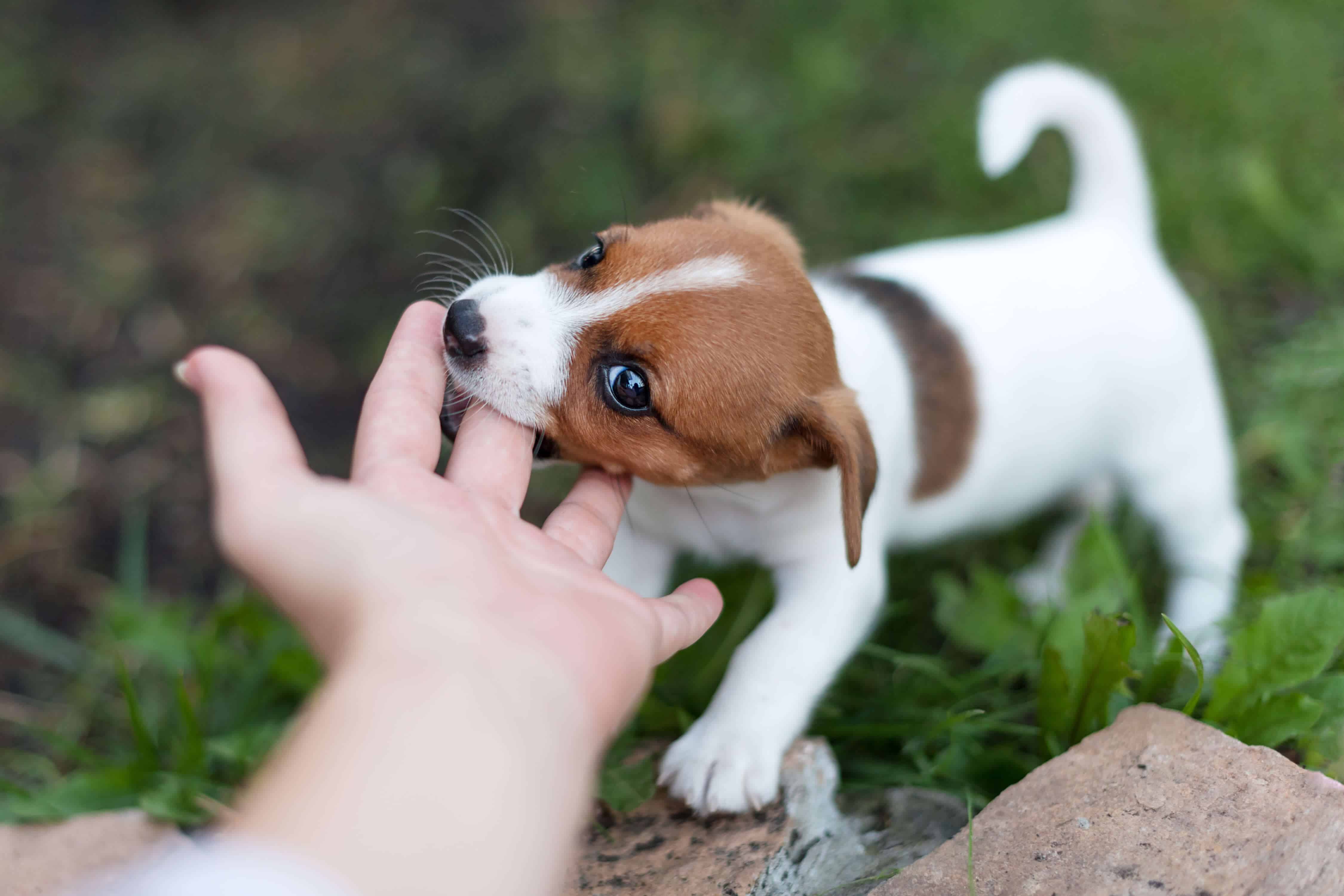
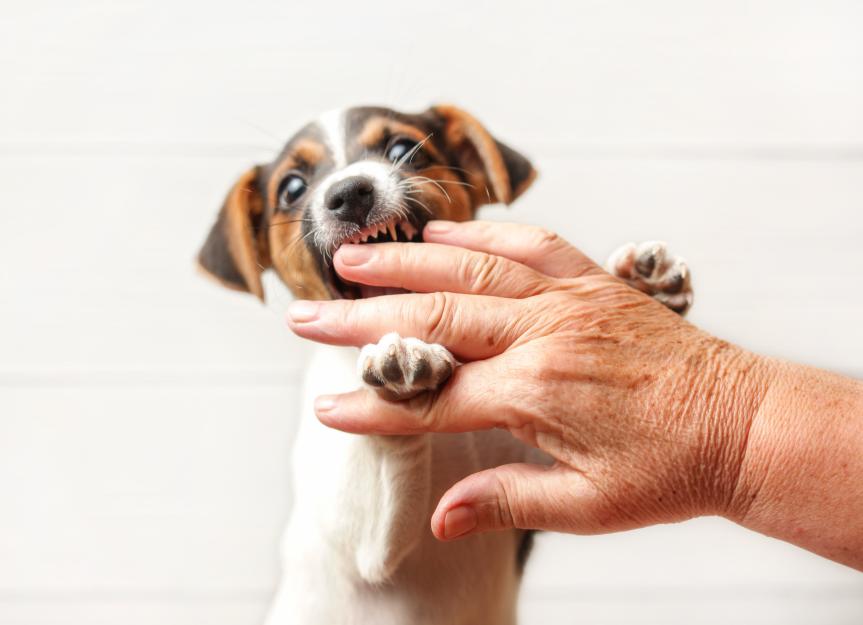
- Puppy bites hands → owner laughs or pulls away dramatically
- Puppy learns: hands are toys + biting causes fun reactions
👉 With puppies, mistakes = training the future dog
Adult Dogs (Patterned Phase)
Adult dogs are running software that’s already installed.
Key traits
- Behaviors are habitual, not exploratory
- Emotional responses are more entrenched
- Reinforcement strengthens existing beliefs
What accidental reinforcement does
- Locks in fear, anxiety, or aggression
- Makes behavior harder to reverse
- Confirms the dog’s worldview (“I was right to react”)
Example
- Adult dog barks at strangers → owner tightens leash + soothes
- Dog learns: Strangers are dangerous, and I need to react
👉 With adults, mistakes = deepening the groove
🧠 How This Applies to Problem Behaviors
🔥 Aggression (Growling, Snapping, Lunging)
What owners accidentally reinforce
- Backing away immediately after growling
- Picking the dog up when it reacts
- Scolding after the aggressive display (too late)
What the dog learns
“Aggression works. It makes the threat go away.”
Why this is dangerous
- Dog skips warning signs next time
- Escalation happens faster
- Bite risk increases
Correct principle
✔️ Create distance before the dog reacts
✔️ Reward calm observation
✔️ Never punish warning signals (growls are information)
😰 Anxiety (Fear, Shaking, Clinging)
What owners accidentally reinforce
- Petting, baby-talking, hovering
- Excessive reassurance
- Allowing avoidance without teaching coping
What the dog learns
“This situation really IS scary.”
Why it worsens
- Anxiety becomes the dog’s coping strategy
- Fear generalizes to new situations
- Confidence never develops
Correct principle
✔️ Be calm and neutral
✔️ Reward self-soothing behaviors
✔️ Teach confidence through controlled exposure
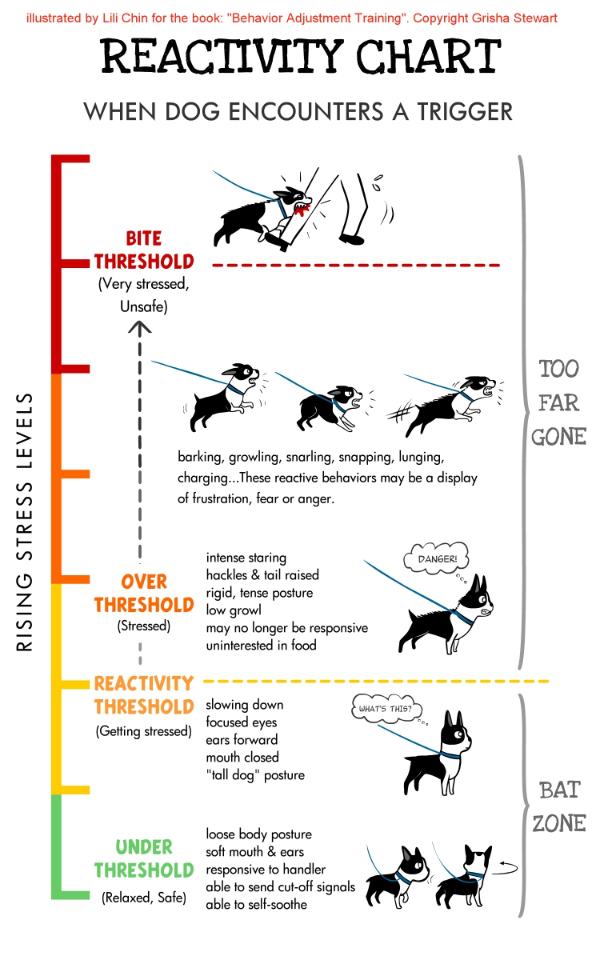
⚡ Reactivity (Barking, Exploding on Leash)
What owners accidentally reinforce
- Tightening the leash when triggers appear
- Turning around only after the dog reacts
- Yelling or repeating commands
What the dog learns
“I need to act FAST to make this go away.”
Why it spirals
- Dog never learns alternative behavior
- Emotional threshold lowers over time
- Reactions become automatic
Correct principle
✔️ Manage distance proactively
✔️ Mark and reward calm focus
✔️ Teach “look at me” before triggers appear
🧾 “What To Do Instead” Cheat Sheet
(Print-worthy, no theory)
🗣️ Barking for Attention
❌ Yell / talk / look
✅ Ignore → reward silence immediately
🤸 Jumping on People
❌ Pet / laugh / push away
✅ Turn away → reward all four paws down
🦷 Puppy Biting
❌ Pull hand away fast / squeal
✅ Freeze → redirect to toy → reward calm play
🍽️ Begging or Whining
❌ Give food to stop noise
✅ Ignore completely → reward settling away from table
🚶 Pulling on Leash
❌ Keep walking
✅ Stop → move only when leash is loose
😨 Fearful Behavior
❌ Coddling / reassurance
✅ Calm presence → reward brave choices
🔥 Aggression Signals
❌ Punish growling
✅ Increase distance → reward calm disengagement
⚡ Reactivity on Walks
❌ Wait for explosion
✅ Create space early → reward focus
🧠 One Rule That Solves 90% of Problems
If a behavior makes something good happen (attention, food, distance, movement), it will increase.
Dogs repeat what works, not what we mean.
How Dog Owners Accidentally Create Problem Behaviors
(And How to Fix Them at Every Stage)
Dogs don’t learn morals, intentions, or explanations. They learn patterns.
What happens immediately after a behavior determines whether that behavior grows or fades.
Most problem behaviors—jumping, barking, anxiety, reactivity, even aggression—are not caused by “bad dogs.” They are caused by well-meaning humans reinforcing the wrong moments.
This article breaks down:
- A puppy-only training flow
- A rehabilitation plan for adult dogs
- A “stop doing this today” checklist
- Key differences between small vs large breeds
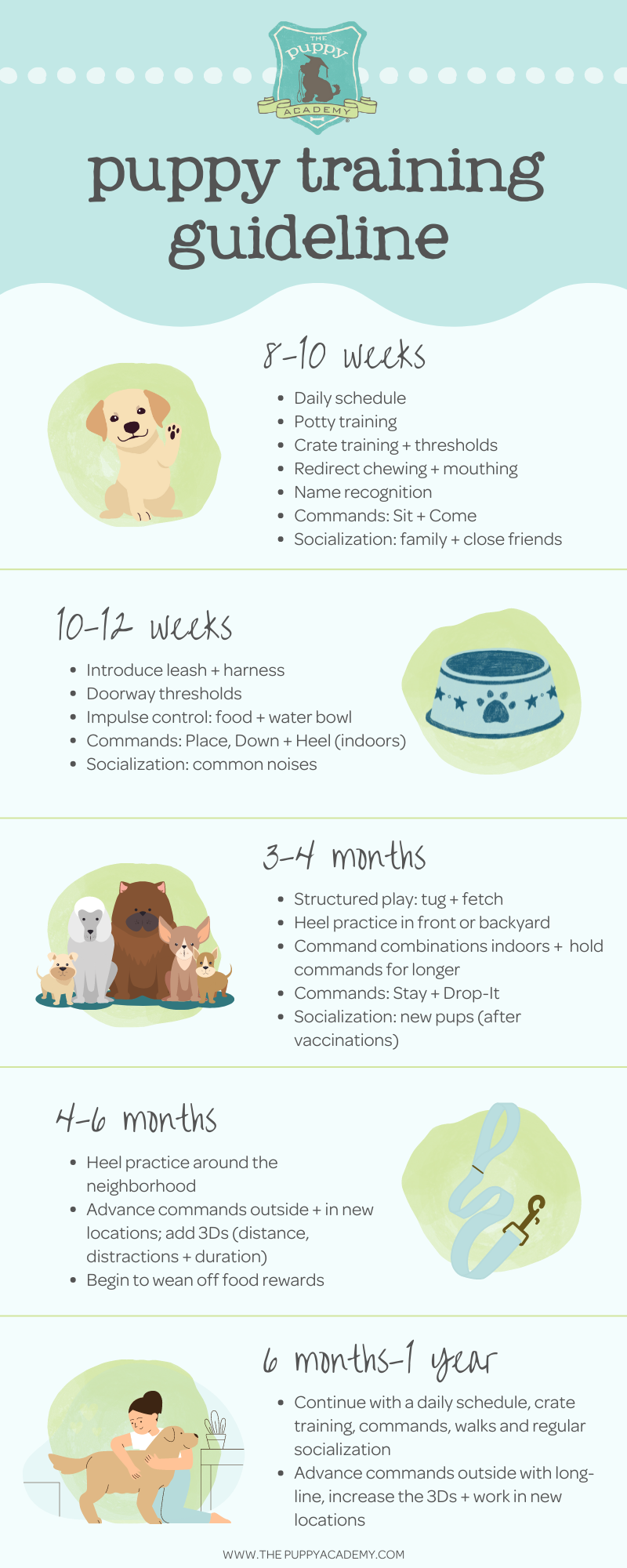
🐶 Section 1: Puppy-Only Training Flow (0–6 Months)


The Puppy Reality
Puppies are experimenters. Every reaction you give becomes data.
There is no “just a phase” unless the phase stops being rewarded.
The Golden Puppy Rule
Reward calm, ignore chaos, redirect curiosity.
Puppy Training Flow (Simple & Sequential)
Step 1: Capture Calm (Daily)
- Quiet lying down
- Sitting without being asked
- Watching instead of reacting
👉 Calm behavior earns attention, treats, and praise
Step 2: Interrupt, Don’t Punish
When puppies:
- Bite
- Jump
- Bark
- Chase
Do NOT scold or excite.
Instead:
- Freeze movement
- Remove attention
- Redirect to an appropriate outlet (toy, chew, task)
Step 3: Teach Replacement Behaviors
Never just stop a behavior—replace it.
| Problem | Replace With |
|---|---|
| Jumping | Sit |
| Biting | Chew toy |
| Barking | Eye contact |
| Chasing | Recall game |
Dogs repeat what works.
Step 4: Consistency Beats Perfection
One exception can undo ten good repetitions.
- Same rules
- Same responses
- Everyone in the house participates
👉 Inconsistency teaches persistence.
🐕 Section 2: Rehab Plan for Adult Dogs With Bad Habits
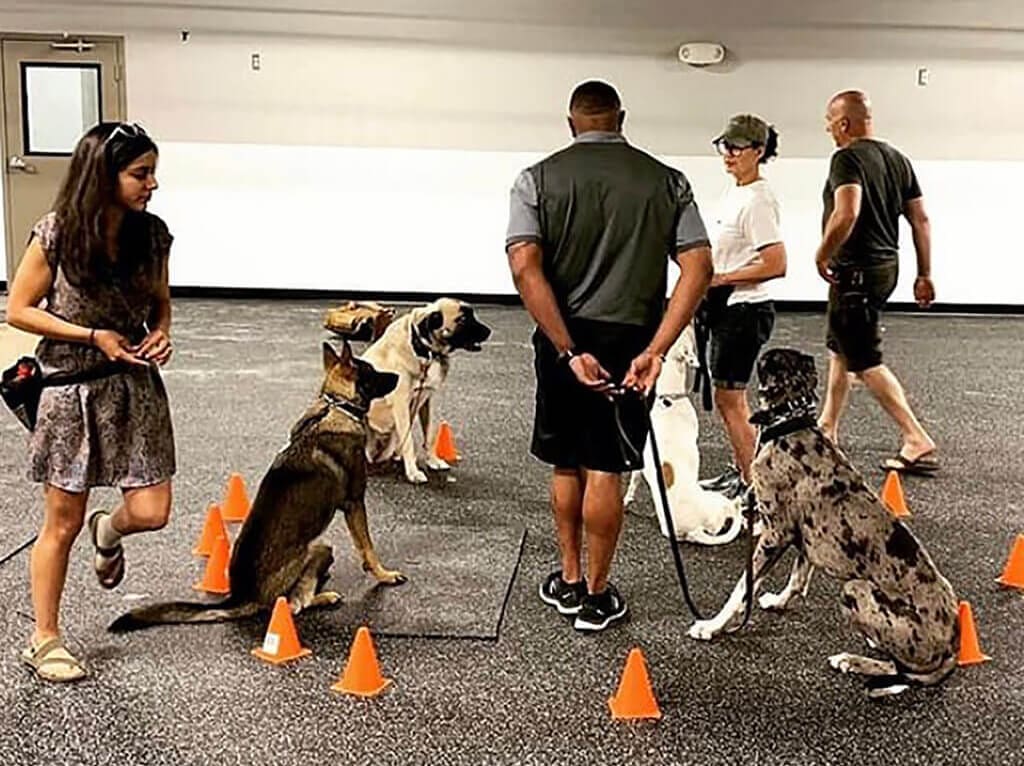
The Adult Dog Reality
Adult dogs aren’t “being stubborn.”
They’re running proven software that has worked before.
Your job is not to fight it—it’s to install a better system.
Adult Dog Rehab Framework
Phase 1: Management (Immediate)
Prevent rehearsal of bad behavior.
- Increase distance from triggers
- Use tools correctly (leash, harness)
- Change environments if needed
👉 Every repetition strengthens the habit.
Phase 2: Decompression
Many adult dogs are overstimulated, under-taught.
- More sleep
- Fewer chaotic greetings
- Shorter, calmer walks
- Structured routines
A calmer dog learns faster.
Phase 3: Rebuild Associations
Change what the dog expects.
Example:
- Trigger appears → calm behavior → reward
- NOT trigger appears → explosion → relief
This rewires emotional responses, not just obedience.
Phase 4: Reinforce Neutrality
The goal is not excitement—it’s neutral calm.
- Reward looking and disengaging
- Reward choosing calm over reaction
- Progress slowly
👉 Confidence comes from predictability, not force.
🛑 Section 3: “Stop Doing This Today” Checklist
If You Stop These, Many Problems Improve Immediately
| STOP Doing This | Why It Backfires | Do This Instead |
|---|---|---|
| Talking to barking | Barking = attention | Ignore → reward silence |
| Comforting fear | Confirms danger | Calm presence |
| Pulling leash tight | Increases tension | Create distance early |
| Inconsistent rules | Trains persistence | Same rule every time |
| Laughing at jumping | Reinforces greeting | Reward four paws down |
| Punishing growls | Removes warnings | Address root trigger |
| Overusing commands | Noise without meaning | Fewer, clearer cues |
| Reacting emotionally | Adds stimulation | Calm, boring responses |
One change beats ten corrections.
🐕🦺 Section 4: Small vs Large Breed Differences (Critical & Often Missed)


Small Dogs: The “It’s Fine” Trap
Small dogs get away with more—until they don’t.
Common Mistakes
- Picking them up when stressed
- Laughing at barking or snapping
- Allowing rude greetings
What This Teaches
- Fear = rescue
- Aggression = safety
- Barking = control
👉 Small dogs need confidence training, not protection.
Large Dogs: The “Control” Trap
Large dogs are punished earlier—but often taught less.
Common Mistakes
- Physical restraint instead of training
- Tight leash management
- Corrections without clarity
What This Teaches
- World is unpredictable
- Handler tension = danger
- React fast or lose control
👉 Large dogs need clarity and structure, not force.
Key Difference Summary
| Aspect | Small Dogs | Large Dogs |
|---|---|---|
| Owner reaction | Overprotect | Overcontrol |
| Common issue | Fear-based aggression | Leash reactivity |
| Training focus | Confidence & independence | Calm engagement |
| Biggest risk | Escalation ignored | Escalation punished |
🧠 The One Rule That Solves Most Problems
Whatever makes life better for the dog will be repeated.
Dogs don’t do what we mean.
They do what works.